Basement waterproofing begins with finding where the water comes from, because a patch in the wrong place does nothing. We look at grading, downspouts, window wells, cracks, floor joints and groundwater before recommending anything, and we do not promise a perfectly dry basement just to close a job.
Once the source is clear, we recommend a fix that matches the problem, which may be as simple as redirecting water away from the house or as involved as interior drainage and sealing. If you plan to finish the basement afterward, solving moisture first protects everything you build on top.
If water is getting into your basement, don't let anyone sell you a solution before they have found the source. Grading, downspouts, window wells, cracks and groundwater all behave differently, and the right fix for one is wasted on another. We look at the whole property, explain what we see in plain language and recommend only what will help. Sometimes that is a downspout extension, and sometimes it is more.
What's included
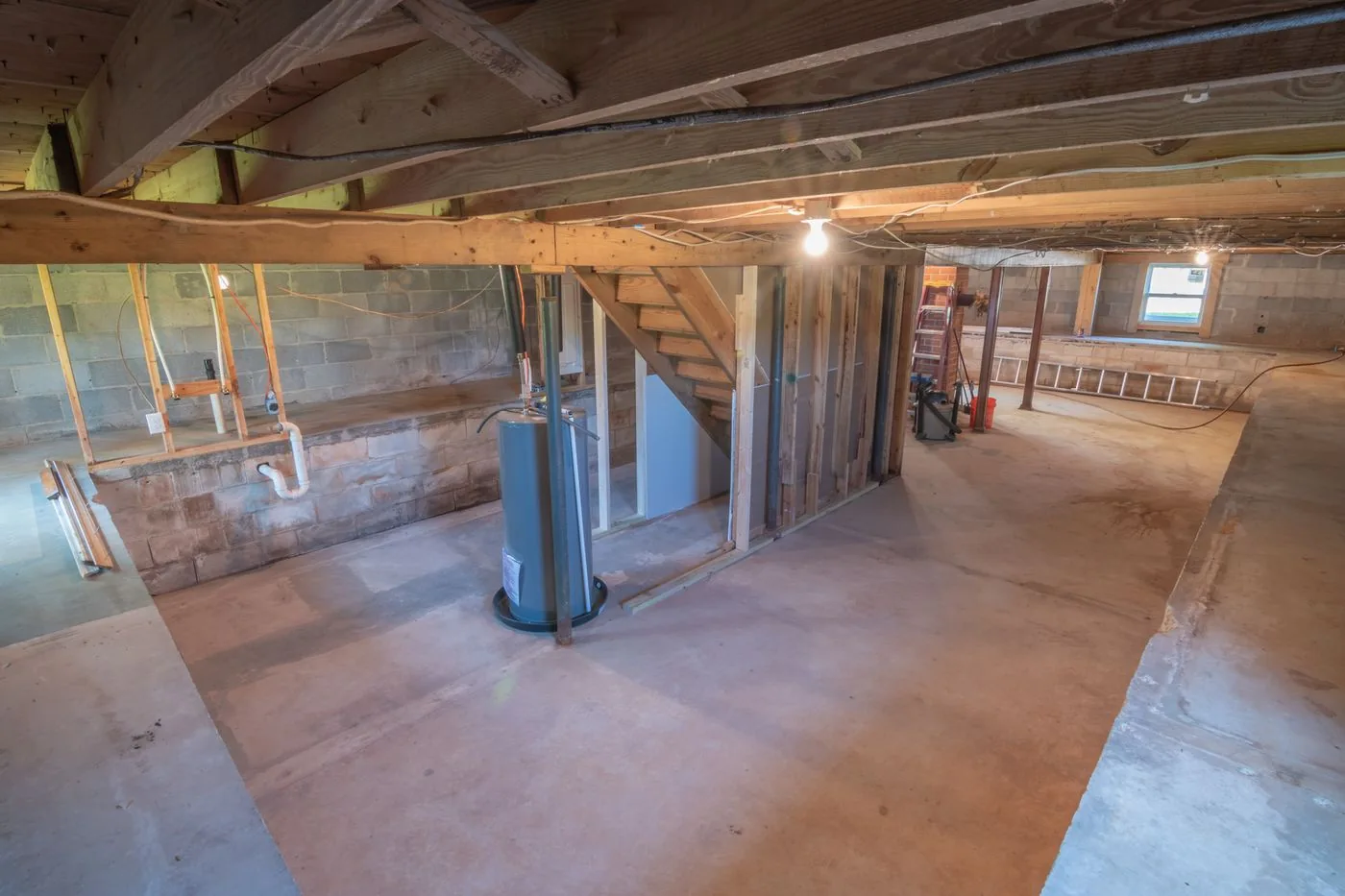
- Inspection of walls, floor, cracks and joints
- Review of grading, downspouts and window wells
- Crack repair and sealing where suitable
- Interior drainage solutions for persistent moisture
- Sump pump review and recommendations
- Wall and floor treatments suited to the problem
- Guidance on ventilation and humidity control
How the project unfolds
- Find the sourceWe trace moisture to grading, cracks, joints or groundwater.
- Recommend a fixYou get a plan matched to the cause, not a generic package.
- Carry out the workRepairs, drainage or sealing are completed carefully.
- Check and adviseWe review the result and suggest how to keep it dry.
Options and finishes
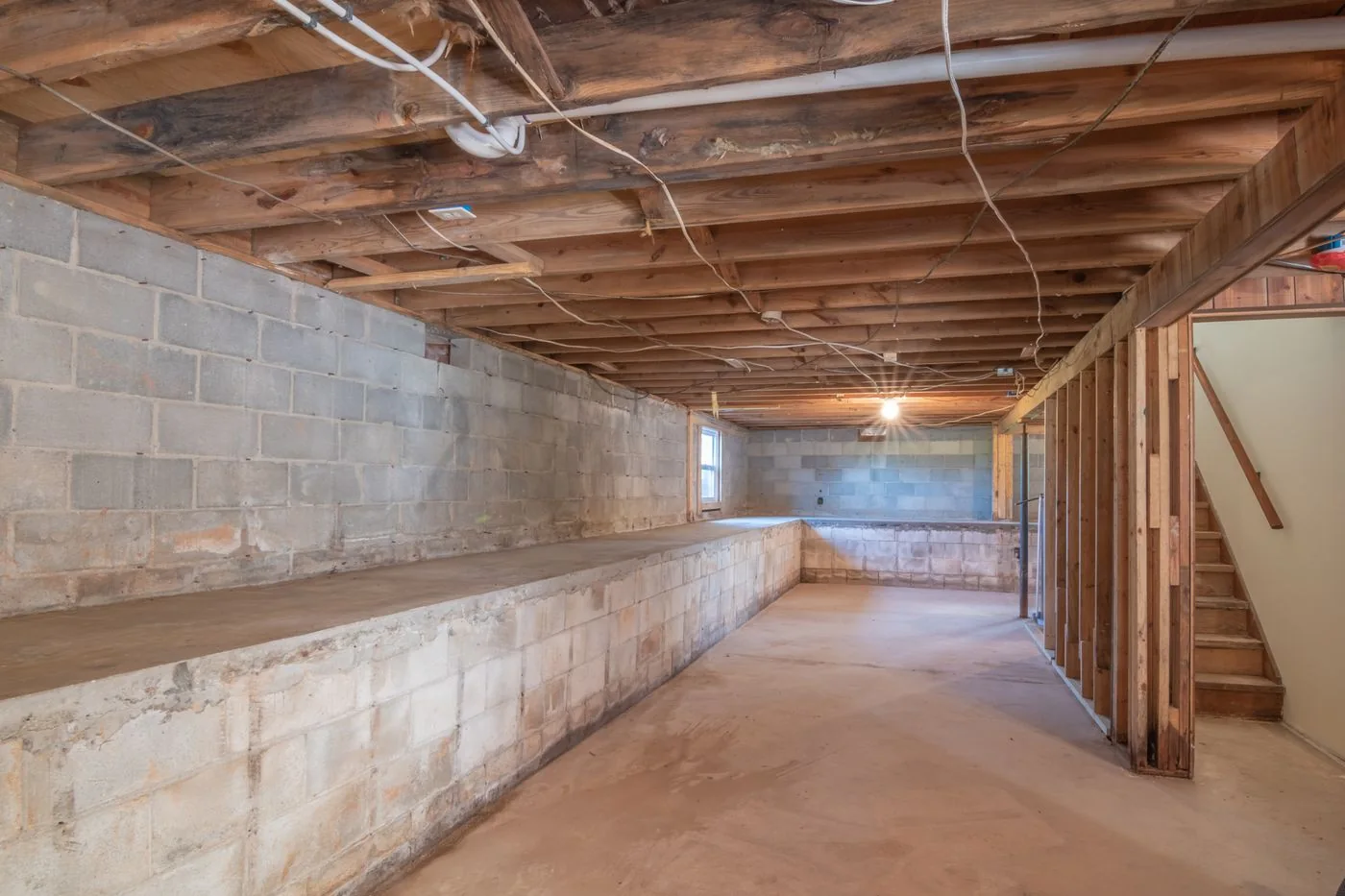
- Exterior grading and downspout improvements
- Crack injection and joint sealing
- Interior perimeter drainage with sump
- Window well repairs and covers
- Dehumidification and ventilation advice
Typical timeline
Waterproofing work ranges from a day or two for simple repairs to a couple of weeks for larger drainage systems.